WE PIPE LLC
A steam boiler locks out on low water for two reasons: either the system is actually losing water through a leak or condensate return failure, or the low water cutoff float is fouled with sediment and triggering a false lockout. In Ridgewood pre-war two-families, the fouled float is the more common cause — decades of sediment accumulation coat the float and prevent it from reading water level accurately. Flushing the boiler and cleaning the cutoff resolves the lockout without replacing the boiler.
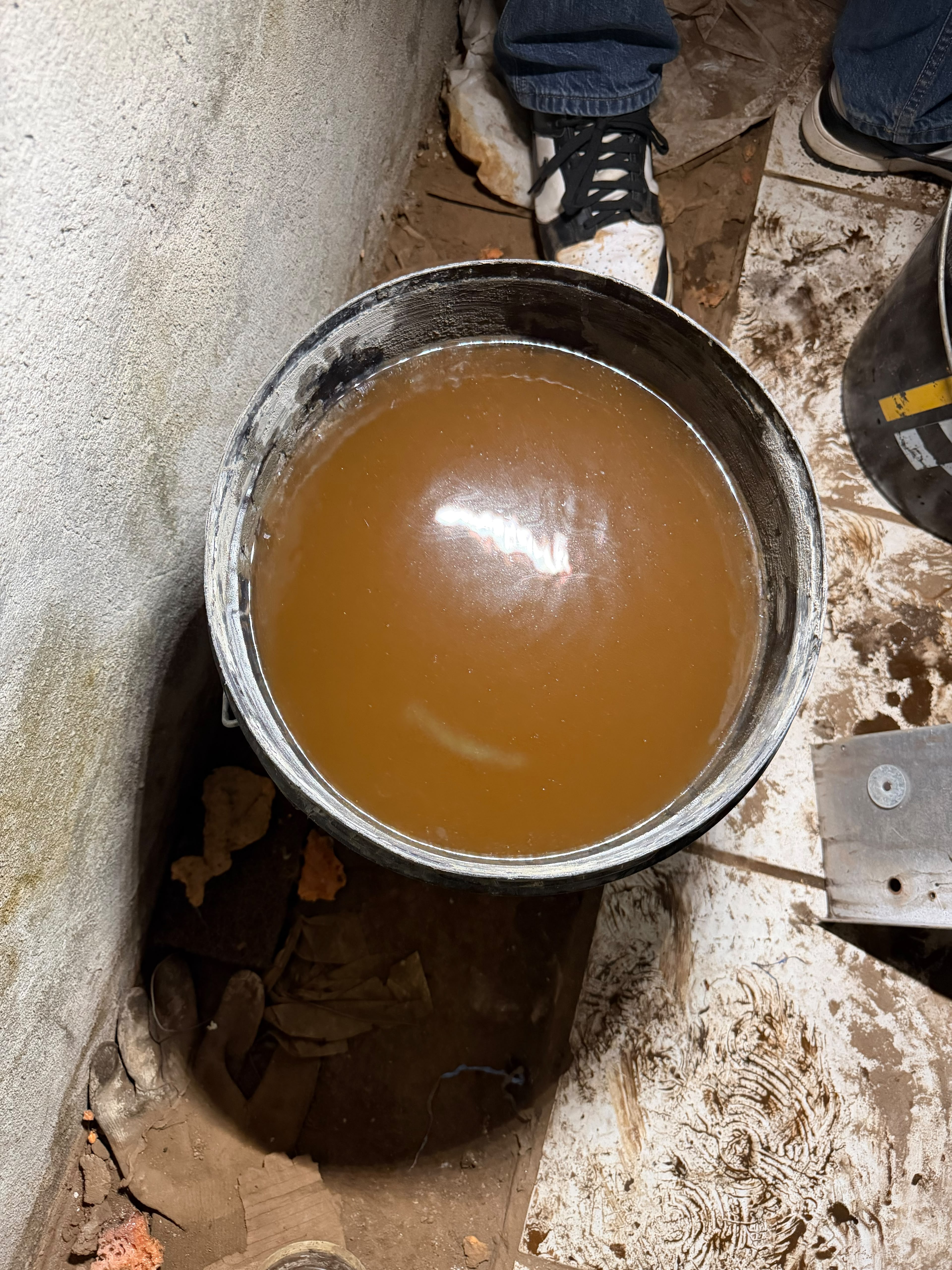
A Ridgewood pre-war two-family had its gas steam boiler locking out on the low water cutoff several times per heating season — each time requiring a manual reset before the building had heat again. The boiler water was dark brown with rust and sediment, a sign the system had not been properly flushed in years. The low water cutoff float, which shuts the boiler down when water level drops below a safe point, was heavily coated with sediment deposits that prevented it from reading water level accurately — triggering false lockouts even when actual water level was adequate.
We drained the boiler through the drain valve, flushed the sections until water ran significantly cleaner, and removed the low water cutoff to clean the float and chamber. The drain water came out dark orange on the first pass — the sediment load was substantial. After the flush and cutoff cleaning, we refilled the system, confirmed operating water level, and fired the boiler through a full heating cycle to verify the cutoff was no longer triggering. Pressure held within normal range and the low water lockout did not repeat.
A diagnostic guide to no-heat calls in Brooklyn and Queens — covers the sediment-fouled low water cutoff failure mode in this story and what to check before calling.
Call or send a message. We're based in Ridgewood — we know these buildings.