WE PIPE LLC
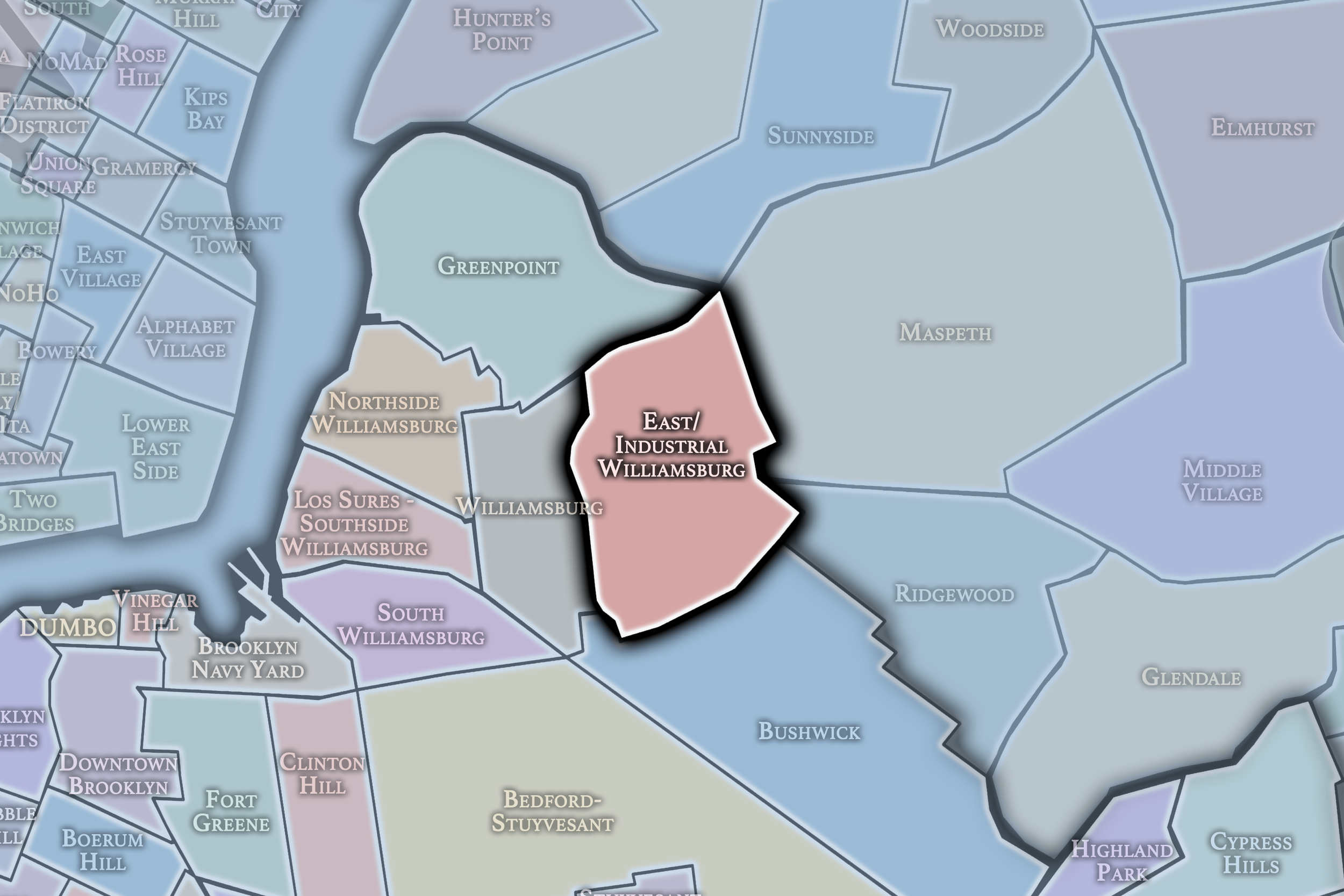
Pre-war worker housing on the Graham Ave and Montrose Ave residential blocks of East Williamsburg — built 1890-1920 — has original galvanized steel supply lines that are now over 100 years old in the oldest buildings. This is the same generation of galvanized supply found throughout Brooklyn and Queens pre-war residential stock, and the corrosion pattern is consistent: internal scale buildup that progressively restricts flow, with hot water lines deteriorating faster than cold. A building from 1900 on Graham Ave with original galvanized supply is operating with pipe that is 120-plus years old — at that age, the internal diameter may be reduced to a fraction of the original, and pressure at upper-floor fixtures is severely diminished. Full galvanized-to-copper repipe is the appropriate solution in these buildings; partial replacement of failed sections leaves original pipe that will fail within a few years.
Post-2000 loft conversions in the Morgan Ave warehouse district have plumbing requirements that differ substantially from the adjacent pre-war residential stock. Warehouse-to-residential conversions often involved running new drain lines through concrete slabs or routing waste through open-web steel joists — configurations that require careful planning to maintain proper slope and access for future service. The original warehouse buildings were not designed for residential plumbing loads, so conversion-era plumbing in these East Williamsburg lofts was designed building by building rather than following a standard pre-war residential template. In the older loft conversions, some of the original conversion drain work may now be aging and showing deficiencies — particularly at slab penetrations and at the connections between above-slab drain runs and the below-slab waste lines. We inspect these loft buildings with camera equipment because the drain routing is complex and often not fully documented.
Section-by-section galvanized replacement in an East Williamsburg pre-1920 residential walk-up is feasible but rarely cost-effective compared to a full building repipe. The galvanized supply in these 100-plus-year-old buildings deteriorates uniformly because all the pipe was installed in the same era — replacing a failed section restores flow at that point, but the adjacent original galvanized will fail within a few years, requiring return visits with the same wall-opening and restoration work. Multi-family walk-up buildings on the Graham Ave and Montrose Ave blocks typically have shared risers serving multiple apartments, which means a full riser replacement — from basement to roof — is the unit of work that makes sense. Replacing a single apartment's branch lines while leaving the original riser in place delays rather than resolves the building-wide problem. We scope repipe work in these East Williamsburg buildings at the riser level and provide building-wide costs alongside individual-apartment costs so owners can make an informed decision.
We're 8 min from East Williamsburg. Call or send a message — same-day response.