WE PIPE LLC
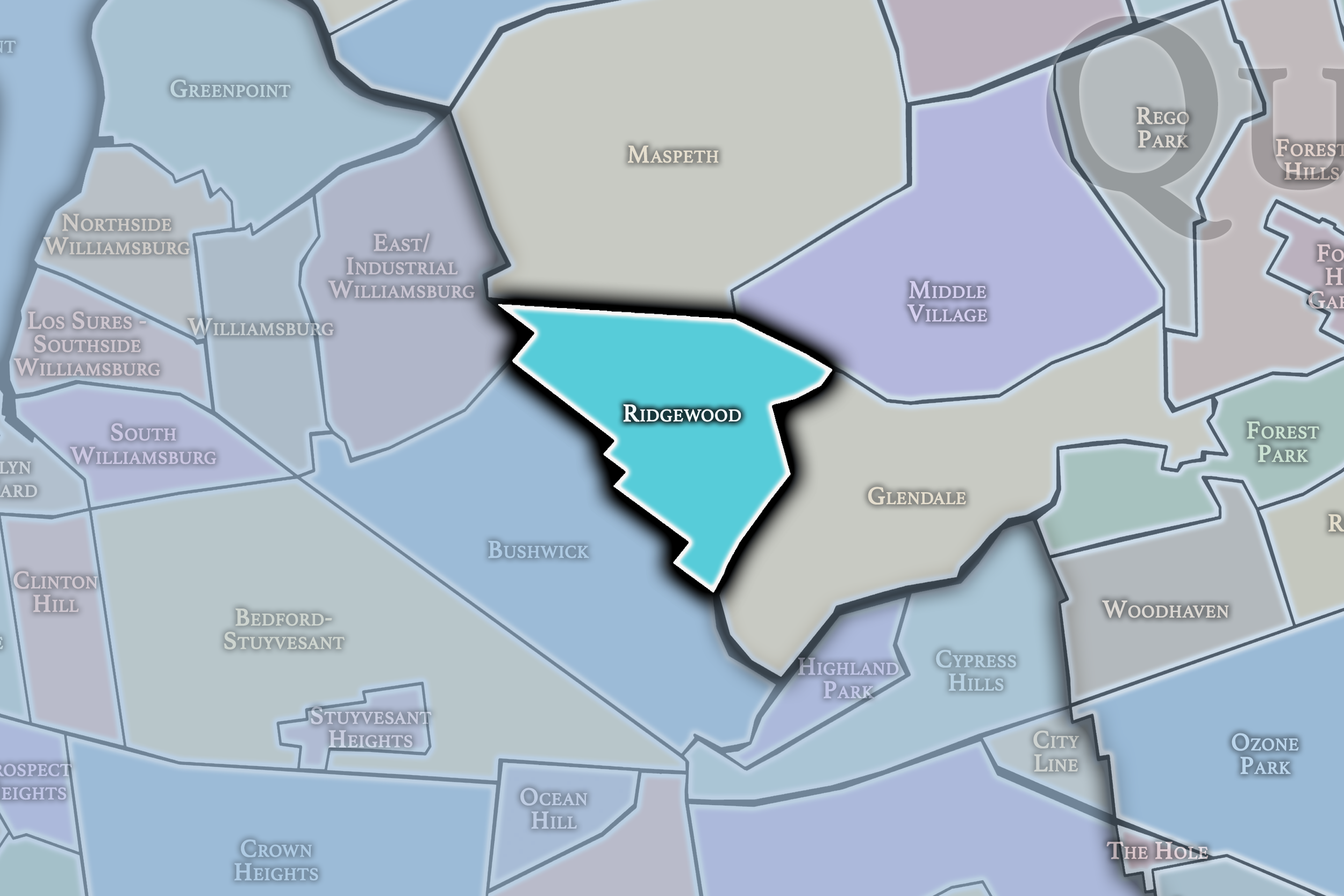
Ridgewood row houses built between 1905 and 1930 have galvanized supply lines that are now 90-100 years old, and while they don't all fail simultaneously, the narrowing from internal corrosion is typically uniform throughout the building because all the pipe was installed in the same era. Selective replacement of only a failed section usually reveals that adjacent runs are at the same stage of corrosion and will need attention within a few years. Cast-iron DWV in the same buildings is more durable and often doesn't need full replacement, but the stack cleanouts and branch connections at each floor should be inspected at the same time. We generally recommend a full galvanized-to-copper repipe in these buildings rather than piecemeal work, because the 1910s-era supply configuration throughout a two-family row house means the labor cost of returning repeatedly exceeds the cost of doing the full run in one mobilization.
Ridgewood's 1905-1930 row houses were built with cast-iron drain, waste, and vent stacks that run vertically through the building from basement to roof. This original cast iron is significantly more durable than galvanized supply and in many Ridgewood buildings it remains serviceable after 90-plus years, provided it hasn't been mechanically damaged or subjected to aggressive chemical drain cleaners over the decades. The horizontal branch lines at each floor are the most vulnerable — these are smaller diameter and more likely to have bellied or cracked at the lead-caulked hub joints. In the pre-war two-family construction typical of Ridgewood, the stack is shared between units, so any replacement work requires coordinating access across both floors and typically a permit. We inspect with a camera before recommending replacement versus cleaning on these original cast-iron systems.
Yes — repiping a Ridgewood pre-war two-family involves constraints that don't exist in newer construction. The finished plaster walls and original hardwood floors in these LPC historic district buildings require careful planning for access points to minimize damage, and in many cases a partial repipe from the basement to each floor can be completed through strategic chases rather than full wall demolition. The original 1910s-1920s galvanized supply configuration in Ridgewood two-families typically runs from a single basement meter to risers serving each unit, and we trace the existing layout before cutting to avoid disrupting the original branch configuration. The buff brick construction also means that exterior wall penetrations require masonry work in addition to plumbing. We've done enough of these Ridgewood row-house repipes to route new copper efficiently without requiring full wall reconstruction.
We're 2 min from Ridgewood. Call or send a message — same-day response.